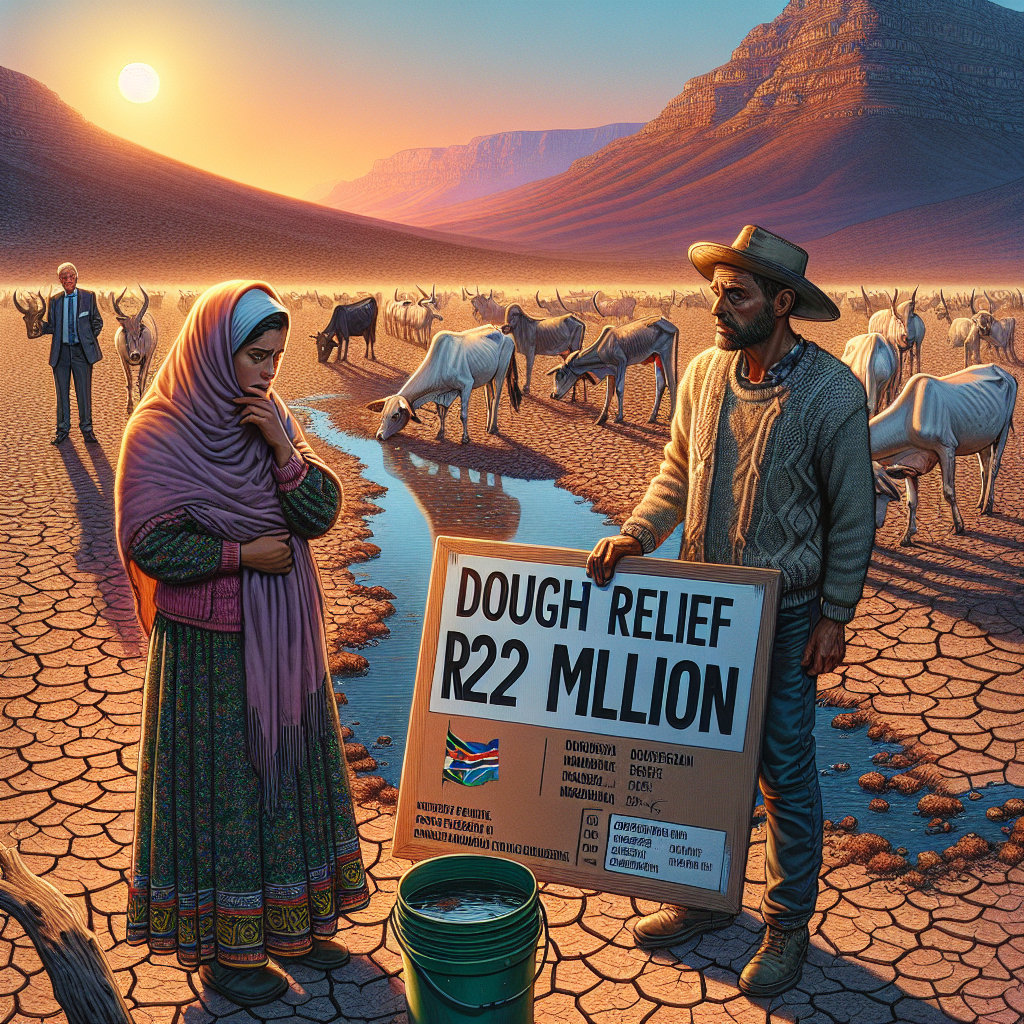
According to IOL News Afrique du Sud, the Western Cape Department of Agriculture has recently approved R22 million in relief funding to support livestock farmers who are currently facing severe drought conditions. This financial assistance is crucial as many farmers struggle to maintain their herds during these challenging times.
The decision to allocate this substantial funding comes amid ongoing drought conditions that have significantly impacted agricultural production in the region. The Western Cape has experienced below-average rainfall, leading to water scarcity and adverse effects on feed availability for livestock. As a result, farmers have reported difficulties in sustaining their herds, prompting the need for urgent intervention.
The funding aims to provide immediate relief to farmers, allowing them to acquire essential resources and implement measures to protect their livestock. This includes purchasing feed and veterinary care, which are vital for maintaining the health and productivity of their animals. The Department of Agriculture emphasizes the importance of sustaining farming practices in the face of environmental challenges, with the ultimate goal of ensuring food security in the region.
In addition to financial support, the Department plans to engage with farmers to offer guidance on best practices for managing livestock during drought conditions. Workshops and training sessions will be organized to equip farmers with the knowledge and tools necessary to adapt to changing climatic conditions. This proactive approach is aimed at fostering resilience within the agricultural sector.
The allocation of R22 million marks a significant commitment by the Western Cape government to safeguard the livelihoods of farmers and support the local economy. As drought continues to pose challenges across the region, such initiatives are vital in promoting sustainable agricultural practices and enhancing the overall resilience of the farming community.
Farmers in the Western Cape express gratitude for the support, noting that immediate assistance is crucial for their survival and the survival of their herds. The drought not only affects individual livelihoods but also has broader implications for food supply chains and local markets.
The ongoing situation highlights the need for long-term strategies to address the impacts of climate change on agriculture. Stakeholders call for concerted efforts from both government and private sectors to invest in sustainable farming technologies and infrastructure improvements that can mitigate the effects of drought in the future.