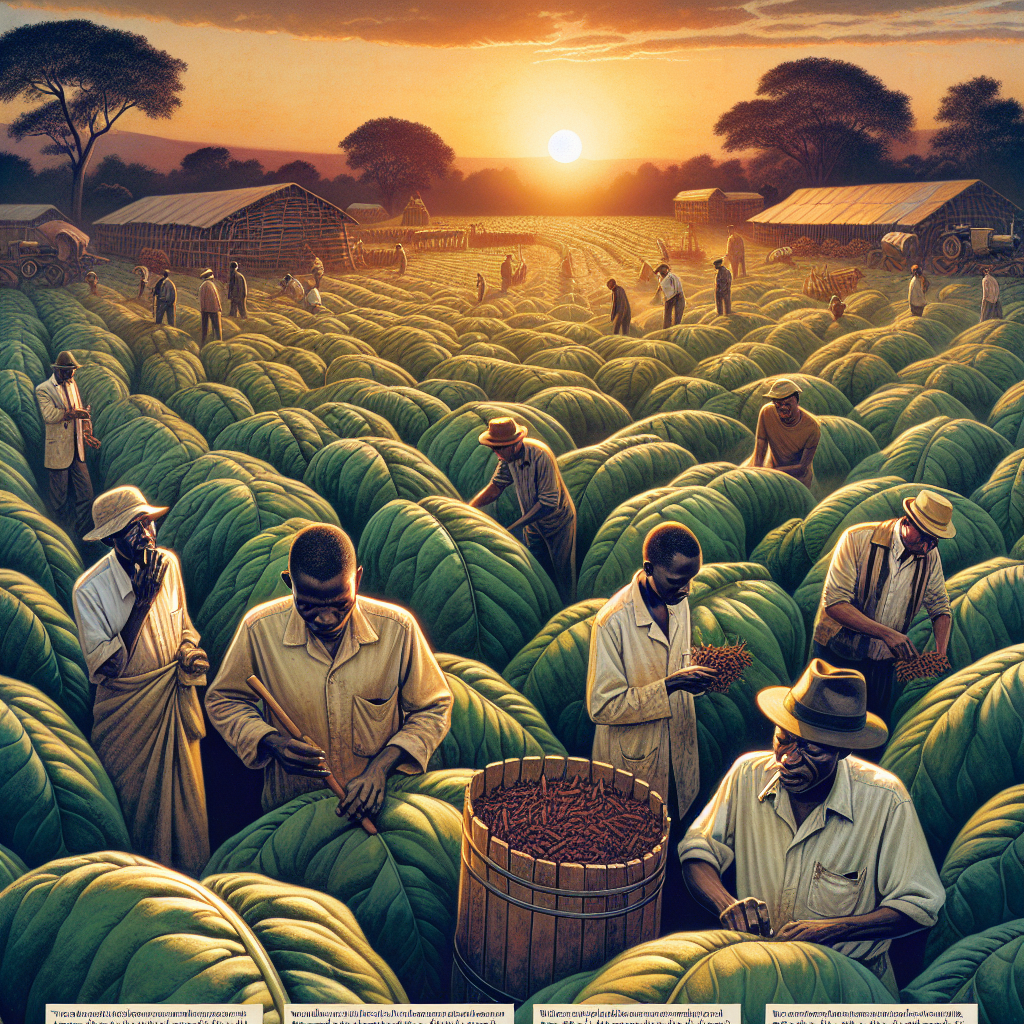
According to AllAfrica, the 2026 tobacco marketing season has been particularly challenging for farmers in Zimbabwe, as they grapple with unfavorable market conditions. The dynamics of supply and demand have led to a significant slump in prices, adversely affecting the livelihoods of many agricultural workers who rely heavily on tobacco production.
The decline in prices has been attributed to various factors, including overproduction and reduced demand in international markets. Farmers, who traditionally depend on stable or increasing prices to sustain their operations, are now facing a critical situation, forcing them to reconsider their planting strategies for future seasons.
In recent weeks, farmers have voiced their frustrations over the lack of support from the government and agricultural institutions, which they believe should provide better guidance and resources to help them navigate these economic challenges. Reports indicate that many farmers are unable to cover their production costs, leading to severe financial strain.
The Zimbabwean government is being urged to intervene by establishing mechanisms that ensure fair pricing and support for local farmers. Experts suggest that improved market analysis and better access to global markets might be necessary to stabilize the tobacco industry, which is a significant contributor to the country's economy.
As the marketing season progresses, the plight of tobacco farmers raises questions about the sustainability of this critical agricultural sector in Zimbabwe. Stakeholders continue to monitor the situation closely, hoping for a turnaround that could alleviate the pressures facing farmers.